
An online match doesn’t need a family dossier to decide whether dating a parent fits their life. Tell them you have children once an exchange shows real mutual interest, and always before making an in-person plan or letting the conversation become emotionally intimate. Early disclosure prevents a bad surprise while your children remain outside the chat.
Published by Parent Dating Guide
Parenthood disclosure works best as a paced conversation

Online chat often moves faster than real familiarity. A few funny messages can turn into daily contact before either person has shared the basic facts of their life. Parenthood belongs among those basic facts. It affects time, priorities, and the shape of a possible relationship, especially for someone who has never dated a parent or who is childfree.
That disclosure does not open the door to your family’s private information. A match needs to know that you are raising children; they do not need names, ages, school details, home location, routine, or the history behind your custody arrangement. The distinction is firm. You are offering context about your life, not introducing strangers to your children through a dating app.
When should an online match learn that you have children?
The first few opening messages do not require a personal inventory. At that point, neither person has established enough interest to justify sharing much beyond the subject at hand. Once the exchange has become a genuine conversation, though, parenthood should enter it soon—before either of you treats a meeting as the obvious next move.
Waiting until after plans are set puts the other person in an awkward position and creates needless tension for you. Waiting through weeks of personal calls creates a bigger problem: the connection begins under incomplete information. A person who steps back after learning you have children has answered an important compatibility question early. That is a clean outcome, not a failure.
Following a promising first exchange
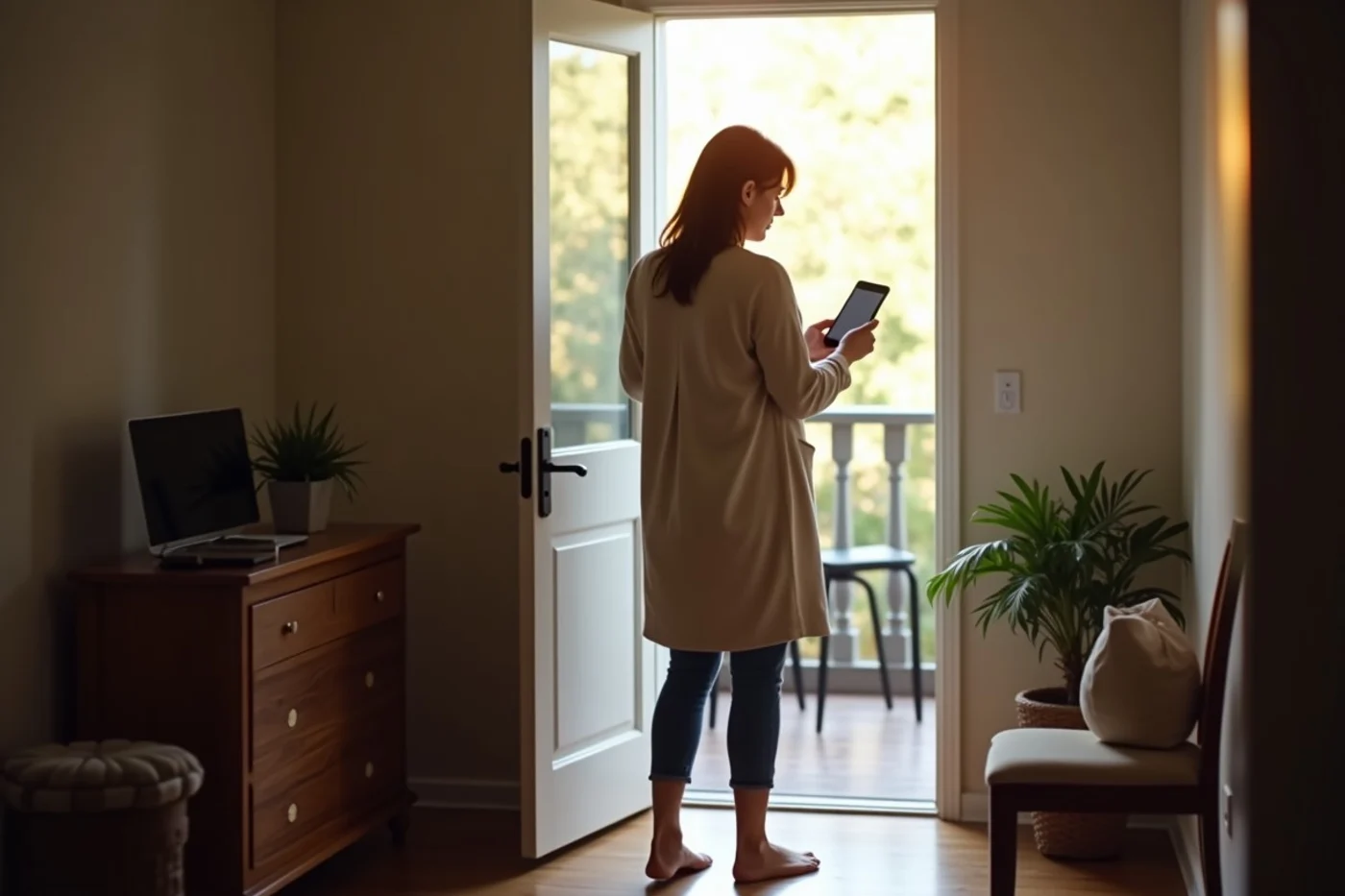
A Tuesday evening chat that turns to weekend plans or daily routines gives parenthood a natural place in the conversation. Mention it when schedules, family life, or what each of you is looking for comes up. The point is not to make children the subject of every conversation. It is to avoid presenting yourself as though your life has no fixed responsibilities outside dating.
Early disclosure has an advantage: it lets a childfree match decide what they are open to without being persuaded into a role they did not choose. It may end a conversation sooner with someone who is not comfortable dating a parent. That is still better than building momentum with a person who resents the limits on your time or treats your children as an obstacle. Respectful curiosity is promising; pressure for intimate family details is not.
Timing and detail boundaries
Information becomes more identifying when separate details are combined. Saying that you are a parent gives a match relevant context. Adding a child’s name, age, school, neighborhood, weekly routine, and pickup times turns a general fact into a map of family life. Those details serve no purpose in an early dating conversation, even when the other person seems friendly.
Apply the same restraint to schedules. It is enough to say that parenting shapes when you are free or that some evenings are set aside for parenting. Exact custody days, handoff locations, conflict with a co-parent, and last-minute changes remain private. A serious relationship may eventually call for a broader discussion of schedules. An online match has not earned that access simply by asking.
Offer a brief, boundaried explanation
The strongest disclosure is short and matter-of-fact: identify yourself as a parent, make clear that dating is part of your life, and leave your children’s personal information out of it. A respectful follow-up deserves a broad answer about how parenthood affects your time. Curiosity about personalities, schools, custody, or where your children spend their days does not.
A boundary needs no long defense. State that you keep family details private while getting to know someone, then watch what happens. A match who accepts that limit and returns to learning about you understands the distinction. Someone who pushes, jokes about the boundary, or complains that children will come first has shown you what later dating would likely feel like. End that conversation.
Parenthood is relevant before a first date; your children’s identifying details are not. If a conversation has moved beyond opening small talk, disclose that you are a parent before agreeing to meet. If the response shows respect and appropriate curiosity, continue at your pace. If it brings pressure or resentment, leave the match where it is.