
New dating often turns private family facts into casual conversation. Keep your children’s information private by sharing broad truths about parenthood while withholding details that identify, locate, or track them. That is sound parental judgment. A new match needs to know that you have children and that parenting affects when you can make plans; they do not need a map of your family’s daily life.
Published by Parent Dating Guide
What a request for child details may reveal
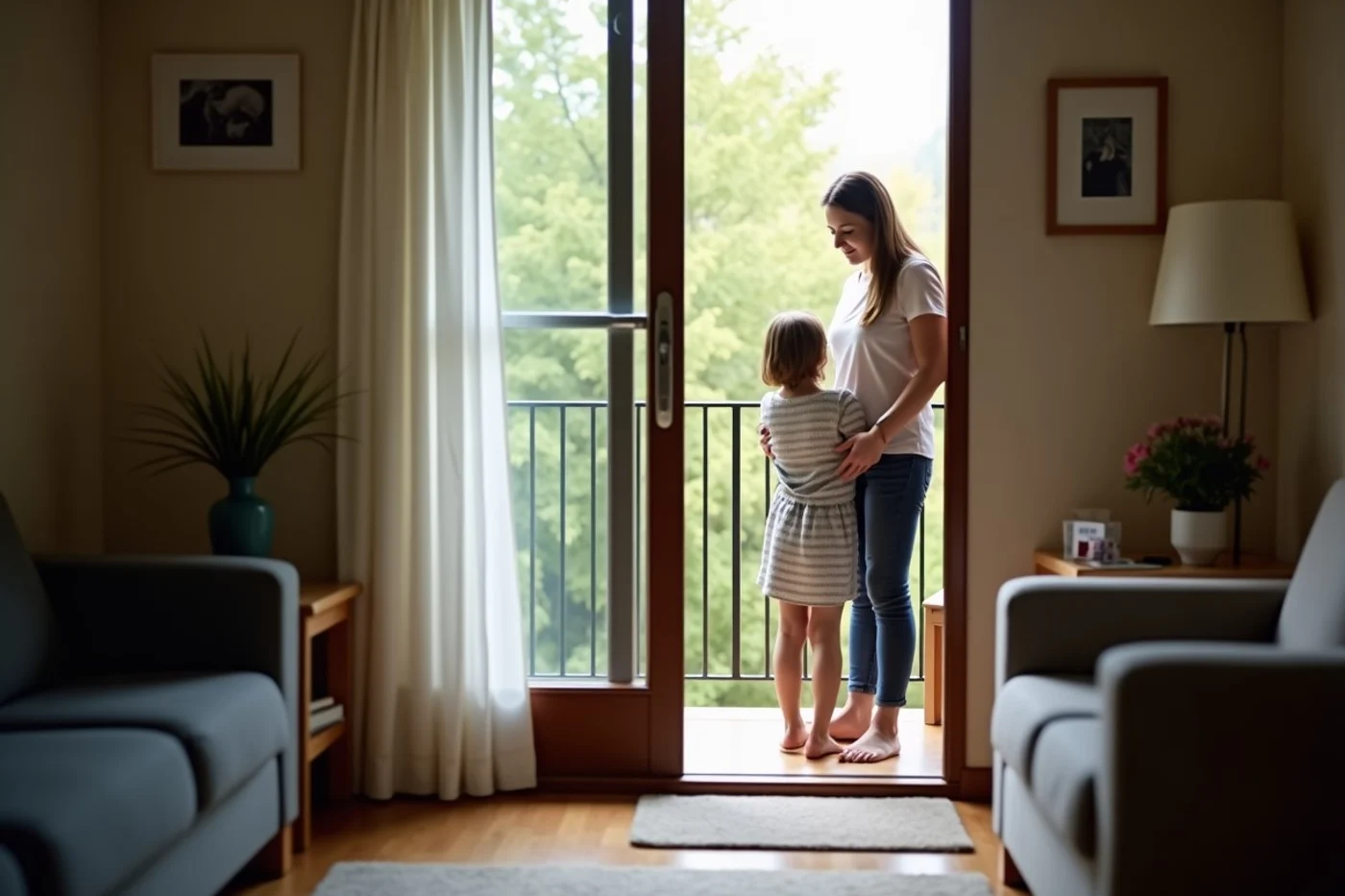
An early date who asks what parenting has taught you, whether your children are young or grown, or how you spend a typical weekend is showing natural interest in a major part of your life. The conversation changes when the questions narrow to a child’s full name, school, neighborhood, pickup time, sports field, or the days they are usually with you. One question is not a verdict. Repeated requests after you have answered broadly are the part worth noticing.
Someone with sound boundaries accepts a general answer and moves on. Someone who treats a privacy limit as a personal insult, a test of trust, or a problem to solve is showing poor judgment before the relationship has earned much trust. Take the reaction seriously. Parenting asks you to protect information that belongs to your children, not to smooth over another adult’s curiosity.
Which details create unnecessary exposure?
Certain facts become identifying when assembled together. Full names, dates of birth, school names and locations, activity venues, team names, home address details, and regular custody or exchange patterns all expose more than a new dating partner needs. Even a familiar detail such as the playground you visit every Saturday becomes different when it is paired with a child’s name, a photo, and your usual timing. The issue is the combined picture, not any one innocent-sounding fact.
Photographs deserve the same restraint. A school logo, team jersey, recognizable driveway, house number, or background landmark supplies context that a child did not choose to share. Image metadata or a geotag sometimes adds location information as well. Public posts announcing that your child is at a game, recital, camp, or airport right now turn a family moment into a live update. Older social posts deserve a look too, especially those that reveal a school, regular activity, or home exterior.
Privacy protects family routines without hiding that you are a parent
Being private does not require vague stories or a false picture of your life. You can be open about having children, the broad stage of parenting you are in, and the fact that school nights or parenting time shape when you are free. Those are relationship facts. They explain why a last-minute dinner is not always possible without putting a child’s location or routine into the conversation.
Details that locate a child serve a different purpose. A school name, a precise custody calendar, an after-school address, or a real-time update gives another person access to family logistics before they have demonstrated any reason to hold it. The distinction is straightforward: honesty describes your responsibilities; privacy protects your children’s identities and movements.
Information Boundaries

Early conversations work well with three layers of information. The first is general: whether your children are school-age, teenagers, or adults, plus broad interests such as music, reading, or sports. The second is limited family context: you share parenting time, your children live with you most of the week, or your schedule changes around school and activities. Both layers let a new person understand your life without learning where a child will be on Thursday at 4 p.m.
The third layer stays protected: names, schools, teachers, activity sites, addresses, custody exchanges, account usernames, and images tied to identifying context. More family detail belongs later only when the relationship has proved durable, the person has respected earlier limits without complaint, and there is a specific reason to share it. Broad family context early acknowledges your life; a calendar, school name, and pickup address early hand over a map of it. The second choice is not openness. It is premature access.
When an online match asks where your child goes to school
A school question often arrives wrapped in casual small talk. The match may be trying to place you geographically, compare local districts, or simply continue a conversation about parenting. The reason need not lead to a detailed answer. A warm response such as “They’re in school nearby, and I keep their school details private until I know someone well” answers the social part of the question while keeping the identifying fact off the table.
What follows matters more than the original question. A respectful match accepts the boundary, talks about something else, or asks about your experience as a parent without seeking the name of the school. A person who presses for the district, asks why you are guarded, or frames privacy as distrust is creating work you do not need. Their reaction is not proof of character, but it tells you whether they respect your responsibilities as a parent when the answer is not convenient for them.
Tell the truth without supplying identifying details
Broad wording preserves accuracy without turning a new person into an observer of your household. School-age children, shared parenting time, and evening plans that change around family needs give a truthful account of your life. There is no need to name the school, state the exact exchange day, explain where a child spends every weekend, or offer a complete calendar to explain why your time is limited.
Questions about family life deserve the same level of care. You can speak about the everyday demands of homework, appointments, school events, and a child’s interests without identifying the teacher, the venue, or the exact time and place. Pretending you are free creates a second problem, so there is no reason to hide the effect of parenting on your schedule. Keep the focus on your own commitments: you are busy with parenting on certain days, you make plans in advance, and sudden family needs sometimes change the evening.
Openness about parenting is different from access to children’s lives
Emotional openness covers your own experience: what parenthood means to you, what pressures it brings, and what kind of relationship fits alongside family life. Access covers something else entirely: children’s images, whereabouts, schedules, social media accounts, school portals, and personal contact information. A dating partner has no claim on those details simply because you have talked honestly about being a parent.
That limit sometimes feels awkward with a person who shares freely about their own family, particularly when the relationship is becoming more serious. That awkwardness is minor beside the responsibility. Respect shows up when someone accepts that your children have their own privacy, separate from your dating life, and never treats closeness with you as a reason to seek access to them.
Before your next new conversation, write down the details that remain private: school, home, routines, activity locations, real-time whereabouts, and identifying images. Use that line even when a question seems harmless. A person worth continuing to date will understand that protecting your children’s information is part of knowing you.