
A strong profile names parenthood early, protects your children’s identifying details, and leaves room for the adult you are outside family life. Put the fact that you are a parent where a match will see it before agreeing to meet, then pair it with a few specific interests, a broad picture of your free time, and the relationship you’re seeking.
Published by Parent Dating Guide
When you are ready to disclose parenthood on your profile
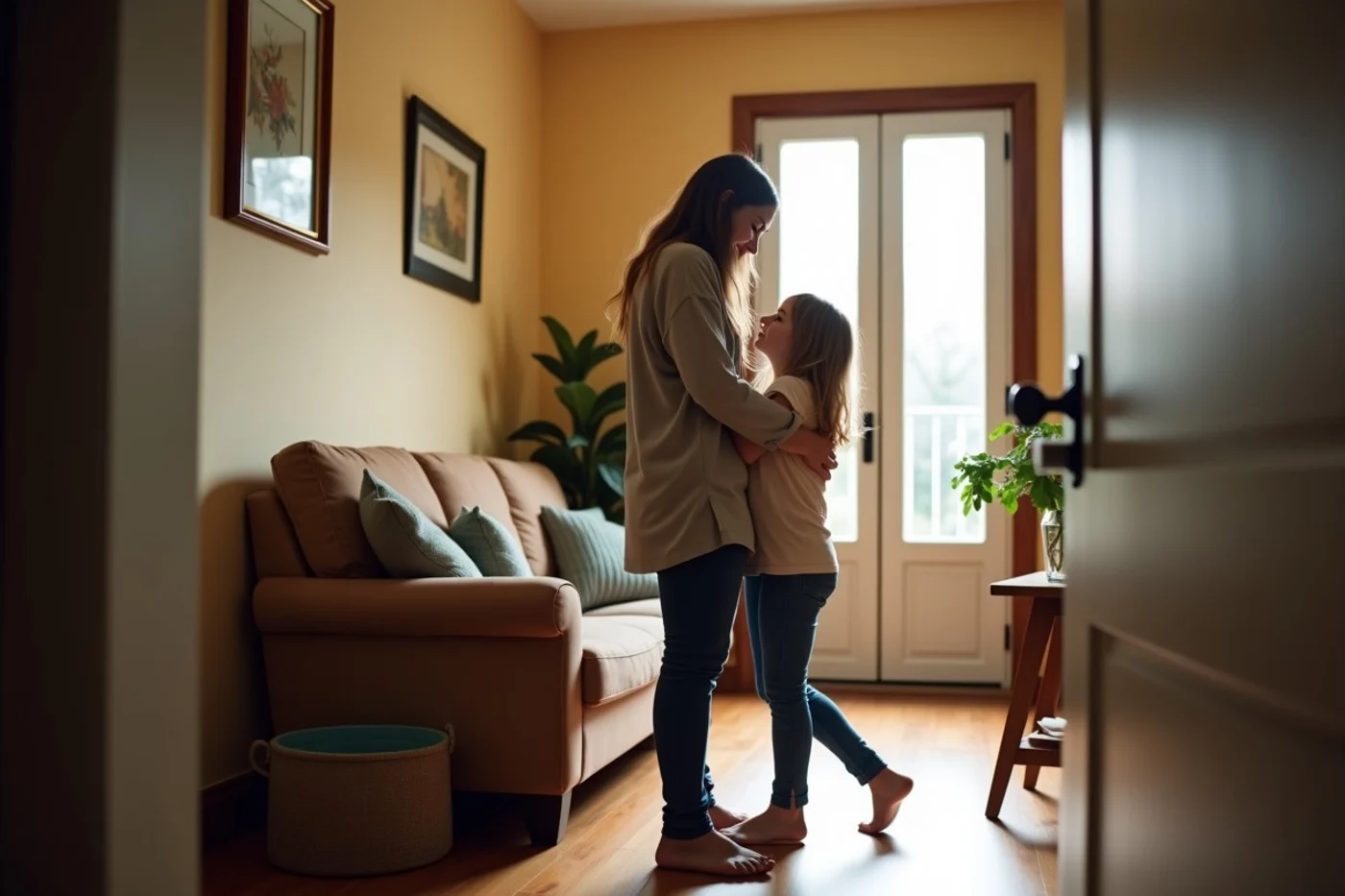
Parenthood shapes your dating life, so concealing it until a promising exchange creates a mismatch that is easy to avoid. Someone unwilling to date a parent needs that information before an in-person date; someone open to it deserves an honest sense of the life under consideration. Disclosure also screens out people who see your responsibilities as an inconvenience to negotiate away.
State that you are a parent in the first lines if parenting shapes most of your week or you want to screen early. If you would rather open with a hobby, outlook, or sense of humor, mention parenting in the next short paragraph rather than at the bottom. Both approaches work when the information is clear before anyone suggests meeting. Family particulars are unnecessary.
A clear, appealing parent-profile structure
Five short elements carry most parent profiles: a detail that shows your personality, a few interests, your parent status, a broad note about available time, and the kind of relationship you want. The order matters less than the balance. A profile built entirely around children tells readers little about the adult they would date. One built around travel, food, work, or fitness while omitting children leaves out the fact that shapes the calendar and the stakes of a relationship.
Profile language should sound like a person, not a custody filing. For a single mom, that might mean single mom raising school-age children, still drawn to live music and unhurried dinners. For a single dad, it might be dad to two, happiest outside on weekends and looking for a committed relationship. A parent with shared custody might note a shared-parenting schedule with some evenings and alternating weekends open. A parent who has children most of the week can state that dates tend to fit around a smaller number of planned evenings. Close with direction: interested in a lasting partnership, open to getting to know someone steadily, or seeking a relationship that has room for family life.
Specific details can show your life without identifying your children

Family life can add warmth to a profile without becoming a map of your household. Say that you enjoy cooking with your kids, spend weekends at parks, or value a noisy family dinner to give a match a sense of your life. Such details convey priorities while keeping information that belongs to your children private.
Imagine a parent mentioning Sunday pancake breakfasts, library trips, and a fondness for board games. The profile feels lived-in while withholding a child’s name, face, school, team, neighborhood, and weekday routine. Apply the same rule to photos: show yourself rather than images that put children in a dating profile for strangers to view.
Leave out children’s names, full ages when they add nothing, schools, activity locations, medical information, and precise pickup or drop-off patterns. A broad reference to young children, teenagers, or a busy family home is enough. The small inconvenience is that your profile contains fewer colorful family specifics. That is a worthwhile limit: a new match needs to understand that you are a parent, not gain access to your children’s identities.
How much should you say about custody and availability?
A brief note about when you can meet serves two purposes. It tells a potential match that your time is limited and reduces early frustration for anyone expecting spontaneous plans several nights each week. Mentioning that you are usually free on certain evenings, have alternating weekends open, or need to arrange dates ahead gives enough context to decide whether the pace suits them.
Your profile need not include a detailed custody calendar, a co-parent’s name, or an account of scheduling disputes. Exact handoff days and times reveal a household routine that strangers need not know. Save finer scheduling details for a match who has earned more trust and is arranging an actual date. A profile should sketch when dates are possible rather than document every movement of your family.
Warm honesty without making parenthood the whole profile
A profile that reads like a list of childcare constraints, custody frustrations, and rules invites readers into stress before they know anything appealing about you. It also risks making every match feel as though they are applying for a role in a family they have not entered. Parenthood belongs in the profile, but it should sit beside your humor, interests, values, and relationship hopes.
The stronger version has texture: the parent who loves an early hike, follows a favorite team, cooks ambitious weeknight meals, reads mysteries, or wants someone who enjoys conversation and a stable relationship. Another single parent will recognize the scheduling reality without needing a custody report. Someone without children will see the responsibility plainly. In both cases, a respectful match responds to your stated limits without competing with your children for attention.
Before publishing, read the profile once as a stranger. Parenthood should be obvious, your available time should feel truthful, and no sentence should identify your children or expose their routine. Then check the rest: does it show what you enjoy, how you live, and what kind of relationship belongs in that life? Revise until the answer is yes.